Understanding Trauma Designations
October 30, 2025
When someone experiences a traumatic injury, every second counts — and the type of hospital they arrive at can make all the difference. Across the United States, trauma center designations help ensure that patients receive the right level of care, at the right place, and at the right time.
What Trauma Designations Mean and Why They Matter
Trauma designations help us understand what level of emergency care a hospital can provide — ranging from Level I to Level V. A Level I Trauma Center offers the highest level of care, with specialists and surgeons available around the clock for the most critical injuries. As you move down the levels, hospitals focus more on stabilizing patients with less severe injuries and ensuring those who need advanced care are quickly transferred to higher-level facilities.
Types of Trauma Designations in Nebraska
Trauma designations are classifications that indicate the resources, equipment, and medical expertise available at a hospital to treat traumatic injuries. These designations aren’t one-size-fits-all; instead, they establish national standards for trauma care and ensure consistency in how patients are treated, from minor injuries to life-threatening emergencies.
So, what exactly do these trauma categories mean? Let's take a look.
The recognizes 6 categories of trauma centers. Each one plays a unique role in helping patients get the right care:
-
Comprehensive Trauma Centers: These centers provide the highest level of trauma care and are capable of treating all types of traumatic injuries.
-
Advanced Trauma Centers: These centers are equipped to handle more complex trauma cases and provide a higher level of care than general trauma centers. They have specialized surgical teams and advanced imaging capabilities.
-
General Trauma Centers: These facilities can manage a range of traumatic injuries but may not have the same level of resources as advanced centers. They are typically equipped to stabilize patients before transferring them to higher-level trauma centers if necessary.
-
Basic Trauma Centers: These centers provide initial trauma care and stabilization for patients with less severe injuries. They may not have the capability to perform complex surgeries, but they can manage basic trauma cases effectively.
-
Pediatric Trauma Centers: Specialized centers that focus on the unique needs of pediatric patients with traumatic injuries. They are equipped with child-specific resources and staff trained in pediatric trauma care.
-
Burn Trauma Centers: Facilities that specialize in the treatment of burn injuries, providing comprehensive care for burn patients, including rehabilitation services.
Each one plays a key role in Nebraska’s trauma system, helping ensure that patients — no matter where they are — get the help they need when it matters most.
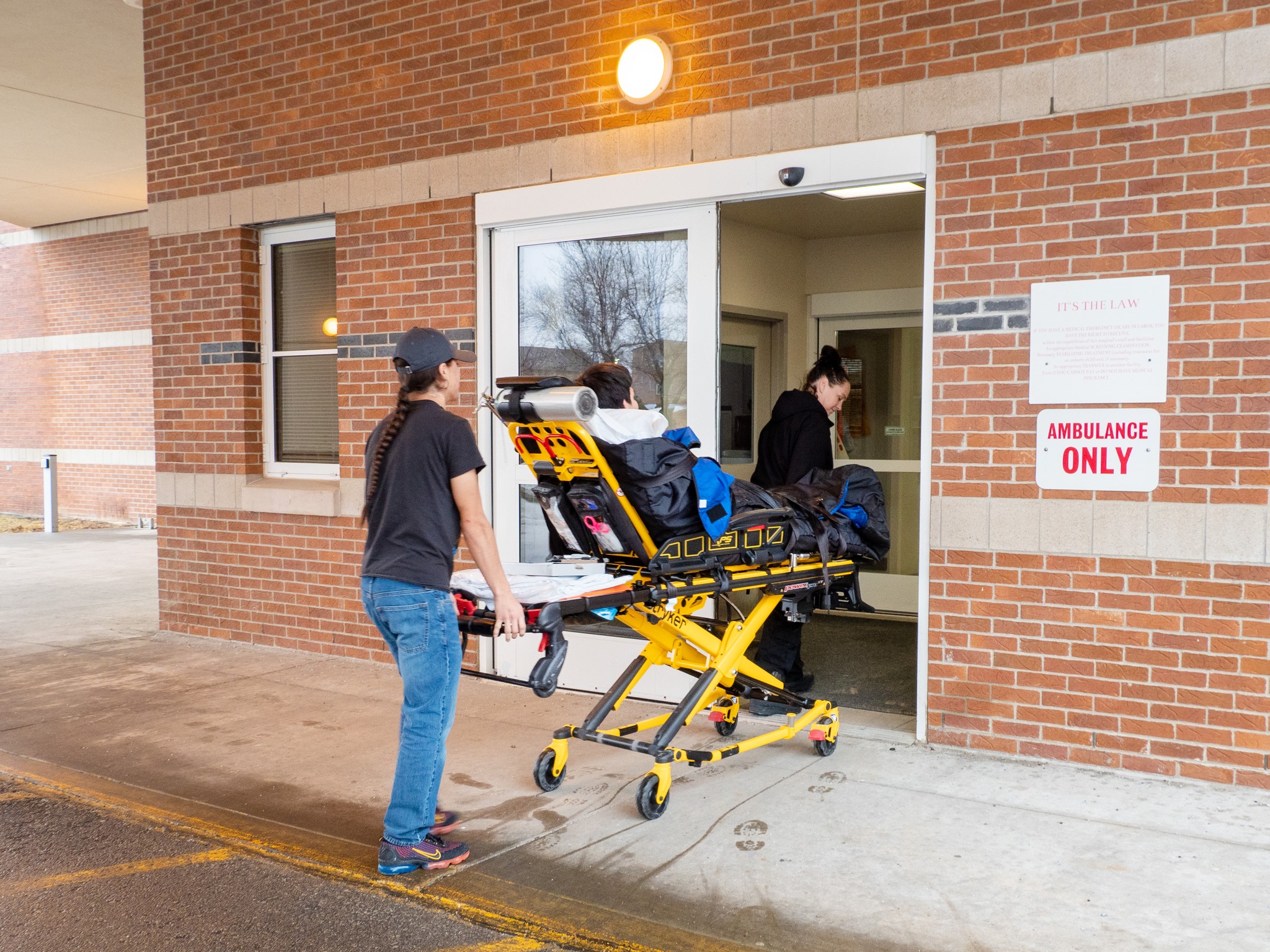 Since receiving our CMS Certification, the WCHS Emergency Room had been working towards obtaining a Nebraska Trauma Level IV Center designation for the past year. After a thorough site visit and evaluation, we are excited to announce that WCHS's Twelve Clans Unity Hospital is officially a Nebraska Trauma Level IV Center. Now, we're even better prepared to care for anyone who walks through our doors. It's about keeping our community safe, healthy, and supported - and we couldn't be more proud of our team!