Understanding Alzheimer's Disease: Awareness, Support, and Hope
June 1, 2026
More than 7 million people age 65 and older are currently living with Alzheimer's disease, making it one of the nation's fastest-growing health concerns. According to the Alzheimer's Association, approximately 1 in 3 American Indian adults age 65 and older are at risk of developing Alzheimer's disease, and that number is expected to double by the year 2050.
What is Alzheimer's Disease?
Alzheimer's is the most common cause of dementia, a condition that affects memory, thinking, behavior, and the ability to perform everyday activities. While occasional forgetfulness can be a normal part of aging, Alzheimer's causes progressive changes in the brain that go beyond typical age-related memory loss.
What Causes Alzheimer's Disease?
Researchers are still working to fully understand what causes this disease, but it is believed to result from a combination of age-related changes in the brain along with genetic, environmental, and lifestyle factors. Other factors that may increase risk include family history of Alzheimer's, certain genetic factors, high blood pressure, Diabetes, smoking, and physical inactivity. Study continues on how these factors influence brain health and how lifestyle changes may help reduce risk.
Warning Signs
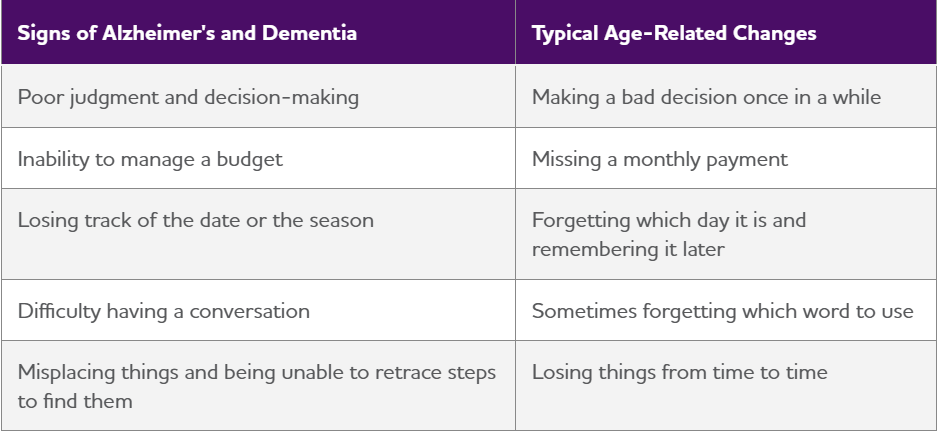 Many people occasionally forget their names, appointments, or where they placed their keys, but Alzheimer's disease causes memory loss and cognitive changes that interfere with daily life. According to Alzheimer's Association, warning signs may include difficulty completing familiar tasks, confusion with time or place, new problems with speaking or writing, misplacing things or losing ability to replace steps, and changes in personality.
Supporting Brain Health
Although no single action can prevent Alzheimer's disease right now, but here are some suggestions on increasing brain health:
- Staying Physically Active: Whether you're walking, enjoying a round of frisbee golf, or playing horseshoes at the Land of Wellness, there are plenty of ways to stay active. You can also explore a wellness class at Whirling Thunder to support your health and well-being
- Eating A Balanced Diet: Healthy eating plays an important role in overall well-being. WCHS’s Registered Dietitians provide personalized support with meal planning and nutrition education to help you make informed choices for a healthier lifestyle.
- Managing Diabetes: If you are living with diabetes, keeping your blood sugar levels under control is essential. Our Diabetes Program provides education, support, and personalized care to help you successfully manage your condition and improve your overall health.
- Staying Socially Engaged: Staying active and involved in your community is an important part of overall well-being. WCHS hosts a variety of events throughout the year, welcoming individuals of all ages to connect, engage, and participate.
Small, everyday steps toward staying active, eating well, managing your health, and staying connected can make a meaningful difference in supporting brain health and quality of life.
Schedule A Screening Today
Receiving an early diagnosis can offer many important benefits for individuals and families, including clearer understanding of the cause of symptoms, earlier access to treatment and support services, opportunities to participate in care planning and decision-making, the ability to explore available medications, and possible clinical research studies. While there is no cure for Alzheimer's disease, available treatments may help manage symptoms and slow progression for some individuals. For more information about early detection, contact the Public Health Nursing Department at 402-745-3950. To schedule an appointment with WCHS's Primary Care Clinic, call 402-745-3950 or use the WinnHealth Portal to book your visit online.