Eye Health: Protecting Your Vision
May 18, 2026
Blindness and low vision continue to affect millions of individuals each year. According to the
National Eye Institute, 1.3 million are blind, while 2.9 million live with low vision. These numbers are expected to rise significantly by 2030 as the population ages. Vision loss can impact everyday activities such as reading, driving, working, and maintaining independence. Regular eye exams and early detection are important steps in helping prevent vision loss and protecting long-term eye health.
Why Eye Health Matters
Maintaining eye health is important at every age because vision affects nearly every part of daily life. Regular eye care can help detect vision changes early, prevent long-term damage, and support overall wellness. Practicing healthy eye habits and scheduling routine eye exams can help keep your vision healthy, clear, and strong for the future.
Everday Habits That Help Protect Your Vision
According to the CDC, protecting your eyes from UV rays is important year-round. UV rays can increase the risk of eye damage and other long-term vision problems.
The CDC recommends:
- Wearing sunglasses that block UV rays
- Wearing a wide-brimmed hat to help shade your eyes, face, and neck
- Staying in the shade during peak sunlight hours
- Staying hydrated to help reduce dry eye symptoms
- Wearing protective eyewear during outdoor activities, sports, or yard work
- Taking breaks from digital screens to reduce eye strain
Whether you're spending time at the WCHS Land of Wellness, attending outdoor WCHS events, swimming at Whirling Thunder, or simply spending time with your family, adding these simple habits to your daily summer routine can keep your eyes healthy, comfortable, and protected all season long.
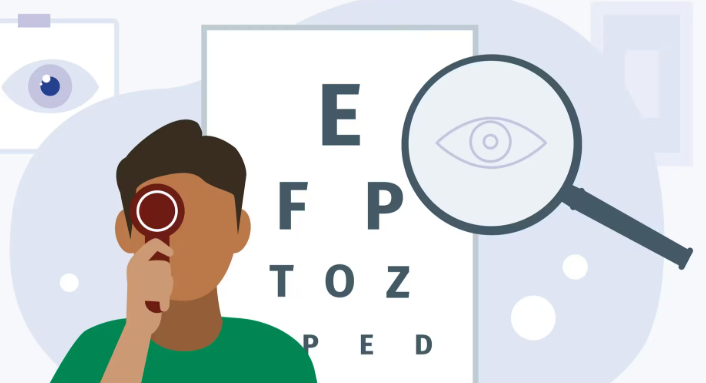 Recognizing When It's Time For An Eye Exam
Some vision changes happen gradually and may not always be easy to notice right away. Symptoms such as blurry vision, frequent headaches, eye fatigue, dry or irritated eyes, sensitivity to light, and difficulty focusing on screens may indicate it is time to schedule an eye exam. You may also notice trouble seeing clearly while driving at night, reading small print, experiencing eye strain after long periods on a computer or phone, or needing to squint more often to see clearly. For children, vision changes may also affect focus, learning, and participation in everyday activities.
Many eye conditions can develop without obvious symptoms in the early stages, which is why routine eye exams are an important part of maintaining overall health. Regular checkups allow providers to monitor changes in your vision, update prescriptions if needed, and identify potential concerns before they become more serious. For individuals living with diabetes, the WCHS Diabetes Program offers advanced JVN (Joslin Vision Network) imaging screening for diabetic retinopathy, a common diabetes-related eye condition. This screening helps detect early changes in the retina that may not yet cause noticeable symptoms, allowing for earlier intervention and helping to prevent vision loss. Early detection and treatment can help reduce the risk of long-term vision problems and support healthy eyesight at every age. Taking the time to schedule regular eye exams, including specialized screenings when appropriate, can help you continue enjoying daily activities safely, comfortably, and with clear vision.
Schedule Your Eye Exam
All year round, it's important to make eye health part of your wellness routine. The WCHS Optometry Clinic is here to support you with routine eye exams and vision care services. Taking care of your eyes now can help keep your vision healthy and clear for years to come.
To schedule an appointment, use the WinnHealth Portal or call 402-745-3950 Monday through Friday from 8:00 AM–4:30 PM. Remember — healthy eyes help you see and enjoy life clearly.