Should I Breastfeed my Baby?
August 12, 2026
Every mother's journey is different and how you feed your baby is one of the most personal decisions you can make and sometimes it’s not a choice at all.
With all the healthcare campaigns, TikTok's, and relatives sharing stories of their personal experiences along with free solicited - and let’s be real, sometimes unsolicited - advice. It is normal to feel overwhelmed by all of it. Especially, when you add this to the many other parenting decisions that you are fielding- who knew that a crib or stroller could be such a controversial or significant life choice?
We are here for you, Mama.
As your health system, WCHS is committed to honoring the brilliance, continuity, and cultural strength carried through Indigenous lactation and community care. This blog is full of important educational information to help you explore more information about breastfeeding to help you make the right choices for you and your baby's journey.
Understanding the Landscape of Traditional Milk Medicine
Throughout history, breastfeeding has been one of the most effective ways to ensure a child's health and survival. For generations, it was used as the method of infant feeding almost exclusively. The History of Infant Feeding, a study at the National Library of Medicine explains that before the invention of bottles and formulas, wet nursing was the safest and most common alternative to the natural mother's breastmilk. Society's negative view of wet nursing, combined with advances in the feeding bottle and formula development, the rise of woman in the working world, and the advertised safety and convenience of formula products increased their popularity and use among society. Currently, infant formula-feeding is widely practiced in the United States. Today, the World Health Organization reports that fewer than half of infants under 6 months old are exclusively breastfed.
Since we know that the first 3-5 years of a child's life is packed full of developmental milestones and recent trials have demonstrated that environmental and nutritional influences during critical periods in development can have permanent effects on an individual's predisposition to diseases in adulthood. Ensuring infants' nutritional needs are met is critical to powering the growth needed to meet the well child milestones that will lead to a healthy life.
When healthcare professionals explore the increasing rates of childhood obesity, it's association with food desserts, and they see that less than half of all infants are breastfeed. It is easy to understand why all these public health messaging campaigns and initiatives exist: Breast is Best, World Breastfeeding Week, National Breastfeeding Month, It’s only natural, Indigenous Milk Medicine, and more. These educational tools are meant to help ensure mothers are aware that the natural choice of breastfeeding your baby remains a relevant and healthy choice for you and your baby.
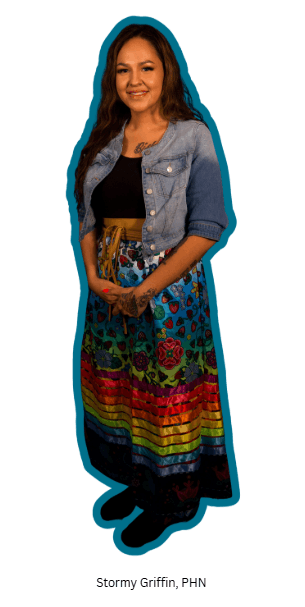
"It is my life's mission to improve health and wellness for the future of our community and one of the many ways we can do that is through breastfeeding. The health benefits of breastfeeding for both mother and baby are exponential," explains Stormy Griffin, Public Health Nurse.
In Native America, according to data from the Centers for Disease Control and Prevention (CDC) and maternal health reports, approximately 73% to 78% of American Indian mothers initiate breastfeeding. In Winnebago, as proud members of the Indigenous Milk Medicine Collective, we are proud to have a 90% initiation rate for mothers who come through our door to receive education that is higher than the national average.
Why is Breastfeeding a Healthy Choice?
Breastfeeding provides a multitude of health benefits for both mom and baby.
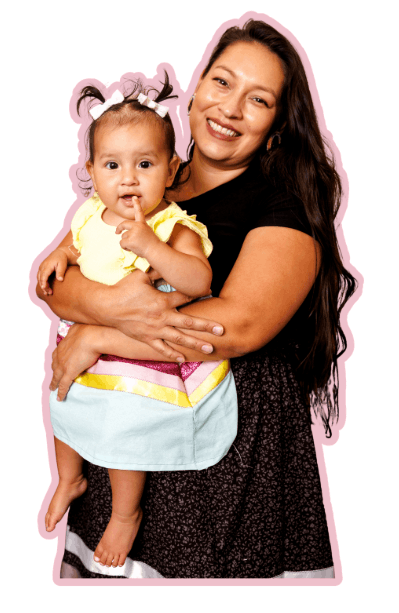 Benefits For Baby
Breast milk is uniquely designed to meet a baby's nutritional needs and contains nutrients that support healthy growth, development, and overall health. Some benefits include:
- Strengthening the immune system
- Lowering the risk of illnesses
- Supporting healthy brain growth
- Provides bonding between mother and baby
Did You Know? That the contents of the breastmilk naturally changes throughout babies' lives to meet their exact nutritional needs at that exact time.
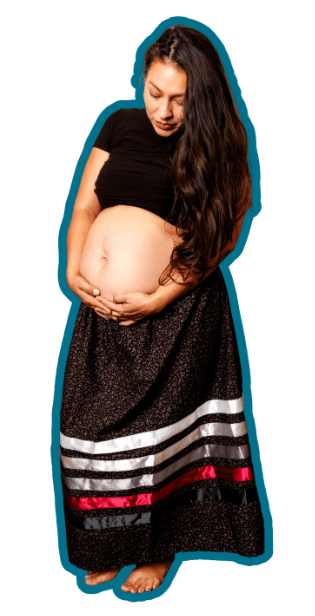 Benefits For Mother
Breastfeeding can also support a mother's health and recovery after childbirth. Some benefits include:
- Helping the uterus return to its pre-pregnancy size quicker
- Reduces postpartum bleeding
- Supporting postpartum recovery
- Lowering the risk of certain health conditions, including breast cancer and diabetes
Did You Know? Breastfeeding triggers powerful hormones like oxytocin and prolactin. These chemicals help shrink the uterus, lower postpartum bleeding, reduce stress, promote deep relaxation, and build a strong emotional bond between parent and child.
Frequently Asked Questions About Breastfeeding
While the traditional practice of breastfeeding results in better health outcomes, in almost every longitudinal study you can find. Every mother and every baby are different. For families who choose to breastfeed, it is important to remember that it is natural, but it doesn't always come naturally. It takes time, patience, and practice for both mom and baby to learn and keep learning together.
| Does it have to be all Breastfeeding or nothing? |
|
There is no single path to raising a healthy baby and building a healthy family. Some mothers breastfeed exclusively, some pumps, some use formula, and many combine different feeding methods throughout their journey. No matter what feeding method works best for your family, every feeding option is an opportunity to bond with your baby and provide comfort, care, and connection. |
| Do I need breastfeed for 6 months or a year? |
|
There is no one "right way" or "right length of time" to breastfeed; there are simply recommendations. Every breastfeeding journey comes with its own triumphs and challenges, good days and frustrating days.
To help you have something to keep focused on throughout the struggles or hard days, some moms enjoy setting a length of time goal for themself and their baby. At the same time, it is important to be flexible with yourself and your little one if things are not going as planned. To ensure this flexibility, some Moms are more comfortable taking it day by day.
We encourage you to talk to your primary care physician or our lactation consultant about your goals, questions, and concerns so that they can help you explore solutions together. Feeding your little one can include breastfeeding, pumping, formula feeding, or a combination of options.
|
| How Can I Support A New Mother? |
Feeding your baby is hard work. Whether your significant other is breastfeeding or formula feeding, whether they are struggling with their milk coming in, oversupply, undersupply, latching, clogged ducks, or just having trouble managing it all. It's a labor of love after labor – any support is helpful.
While a mom is busy working to provide all the nutrients needed to support the baby, supportive actions from other people in the household can make a meaningful difference in the first year of life.
-
Make nutritious meals for your family. From shopping for healthy groceries, preparing healthy snacks, or well-rounded meals for your family. If breastfeeding, making milk burns a lot of energy. It is very common for breastfeeding mothers to feel much hungrier and thirstier than usual and most new mothers eat a minimum of 300 to 500 extra calories a day.
-
Change All the Diapers. A new baby will eat every 2-3 hours and then will need a diaper change just as frequently.
-
Become Housework Champion. If there are dirty bottles, pump equipment, and/or laundry to be cleaned. Don’t wait to be asked, just do it!
-
Pay attention and listen to Mom. If she needs support and encouragement to accomplish her goal, be that. If things are not going as planned and she needs you to be flexible and solution focused - be that. Between hormones, feedings, and sleep deprivation, finding and keeping a new rhythm will be difficult. Being a source of support and encouragement for a new mother is one of the best things you can do.
|
New Parent Resources Available in Winnebago, NE
For seven generations, the Ho-Chunks of the Winnebago Tribe of Nebraska have relied on our Wazoki, which is the Ho-Chunk word for “Kinship System,” to ensure no new child or new parent is without support. You do not have to navigate these challenges or adventure; let your relatives at WCHS help support you.

-
If you experience challenges such as concerns about milk supply, difficulty with latching, or sore nipples. Our Public Health Nursing (PHN) team provides infant feeding consultations and support for mothers who have questions, need guidance, or are experiencing challenges.
If you have questions about feeding, newborn care, or available resources, please schedule an appointment with us by calling 402-745-3950 or using the WinnHealth Portal to connect with your provider.